Waschbären
Procyon lotor
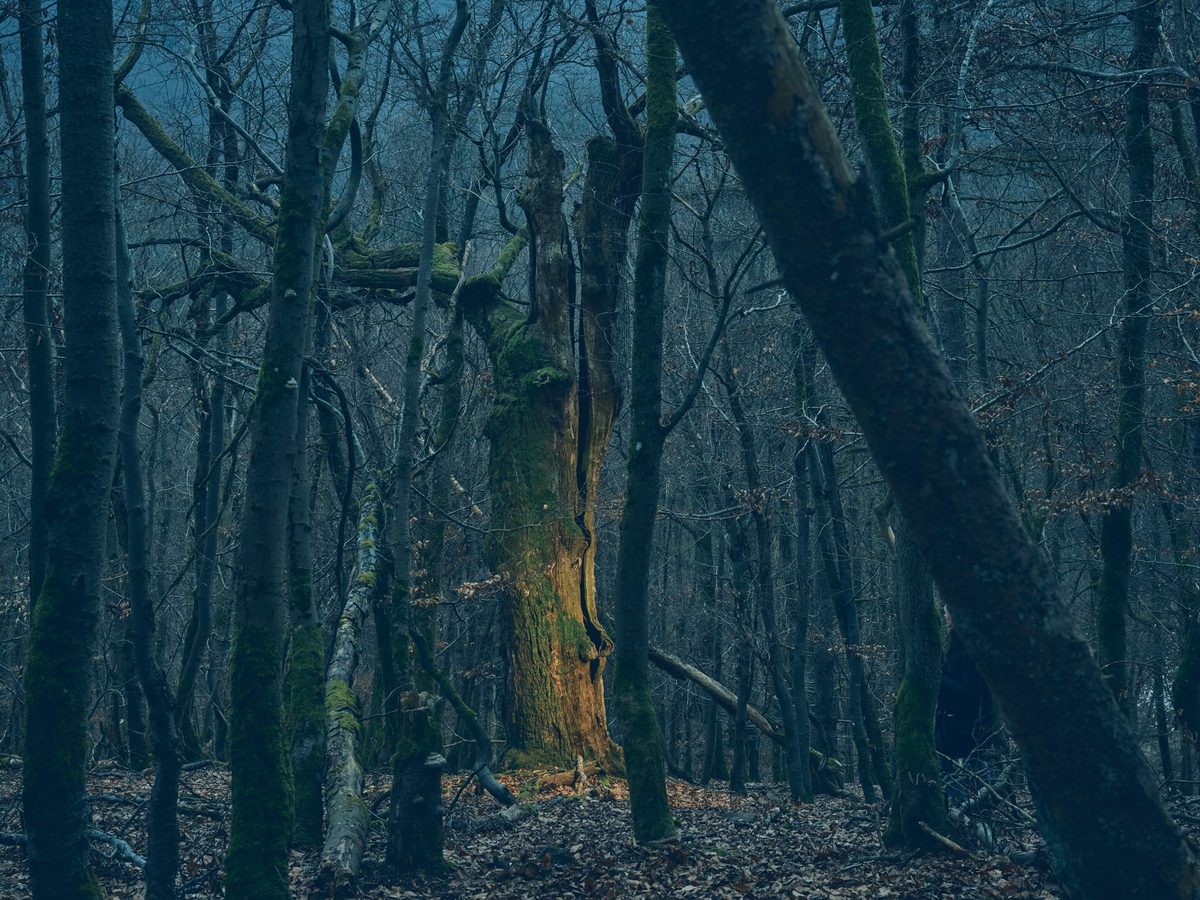
Am 12. April 1934 setzte Revierförster Adam Rikus im Kellerwald am Edersee zwei Waschbärenpaare aus. Er brachte sie zu einem damals etwa 400 Jahre alten Eichenbestand.
Die Freisetzung wurde von höchster Stelle genehmigt, laut den damaligen Unterlagen, um die heimische Tierwelt zu „bereichern“.
1945, am Ende des Zweiten Weltkriegs, entkamen etwa 25 Waschbären aus einer Pelztierfarm in Wolfshagen in Brandenburg.
Nahezu die gesamte mitteleuropäische Population lässt sich genetisch auf diese beiden Ereignisse zurückverfolgen. Sie beeinflusst bis heute heimische Arten und Ökosysteme.
Nationalpark Kellerwald-Edersee
Raccoons
On 12 April 1934, district forester Adam Rikus released two pairs of raccoons in the Kellerwald near Lake Edersee. He took them to a stand of oaks that was then around 400 years old.
The release was approved at the highest level; according to the records of the time, it was meant to “enrich” the native fauna.
In 1945, at the end of the Second World War, around 25 raccoons escaped from a fur farm in Wolfshagen, Brandenburg.
Almost the entire Central European population can be traced genetically to these two events. It continues to affect native species and ecosystems today.
Chicken Age · Urban Zintel
